
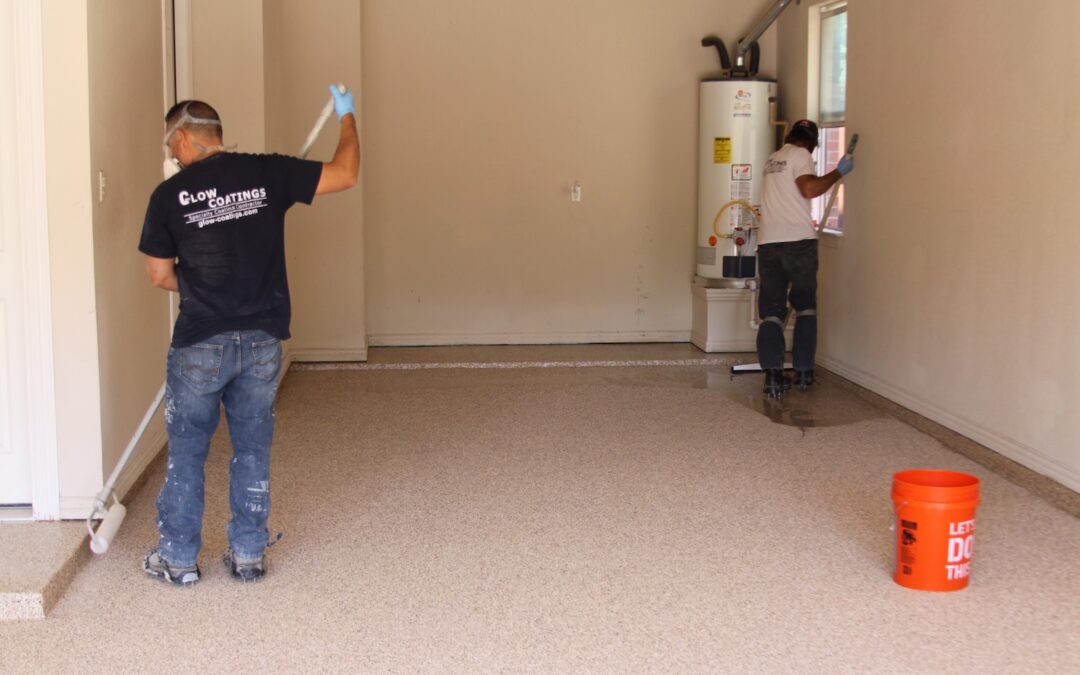
Epoxy flooring is one of the most commonly used flooring materials in residential, commercial and industrial facilities. Epoxy floors are smooth, tough, chemically resistant and simple to clean. All these features render it one of the most preferred choices of homeowners and businesses. To get an Epoxy Floor Installation process with a smooth and durable finish, it is important to have the appropriate installation process. Whenever you consider DIY or professional flooring services, the right processes can assist you to generate the best outcomes in an efficient manner. This guide will show you the complete stepwise process of installing an epoxy floor, preparation methods, tools needed and maintenance tips for epoxy floors.
Understanding Epoxy Flooring
The first thing to know before commencing the installation process is to understand what epoxy flooring is and why it is so popular. Epoxy is a resin-based coating which is mixed with a hardener to make a tough and durable coating that appears very glossy. Main advantages of epoxy flooring:
- Durability: Crack, impact and heavy foot traffic resistant
- Moisture Resistant: Suitable for garages, basements and commercial areas
- Low Maintenance: Clean and easy to maintain
- Customizable Designs: Available in multiple color options, patterns, and finishes
- Cost Effective: Long term flooring solution which saves money over time
Tools and Material required For Epoxy Floors Installation
Preparation is the most important thing in successful installation of an epoxy floor. In order to prevent delays during the process, ensure that you have all the necessary tools and materials before start. All these make the installation process more efficient, faster and smooth in case everything is organized prior to installation.
- Epoxy resin and hardener
- Concrete cleaner or degreaser
- Floor grinder or sander
- Paint rollers and brushes
- Drill mixer and bucket mixer.
- Protective accessories (gloves, goggles, mask)
- Primer and topcoat (optional)
- Plastic sheeting and Painter’s tape
Floor Preparation For Epoxy installation
The most significant step that should be undertaken during the installation of epoxy floors is proper surface preparation. Poor floor preparation would result in peeling of the coats, bubbles or variance. Here is appropriate steps for floor preparation:
Step 1: Clean the Floor
Wipe off the floor with a concrete cleaner or degreaser to remove all dirt, dust, oil and grease. Vacuum cleaning also ensures that the surface is clean.
Step 2: Repair Cracks and Holes
A suitable concrete filler or patching compound may be used to fill cracks, chips and holes.
The surface should be allowed to be dry before proceeding to the next step.
Step 3: Grind or Etch Surface
Mechanically grind the floor with a concrete grinder, or add acid etching solution to prepare the surface so that it is ready for adhesion. This gives a slightly rough surface to enhance adhesion of epoxy.
Application of Epoxy Floor Coating
Once the floor surface is prepared, the time to begin the process of applying the epoxy is completed. To get the best results the following steps should be followed:
Step 1: Apply the primer
The primer is applied to enhance adhesion and to have a smooth surface of epoxy. Use a roller and apply a thin even layer, which must dry thoroughly.
Step 2: Mix the epoxy components
Mix the epoxy resin and hardener as per the manufacturer’s guidelines. Blend with a drill mixer to have a uniform mixture.
Step 3: Apply the first epoxy coat
Use a uniform epoxy mixture and apply on the floor using a roller or squeegee to make it even. Work in a small area for getting well coverage without air bubbles.
Step 4: Add Decorative Flakes (Optional)
When the first layer is wet, sprinkle over it decorative flakes to give it a texture and style. This is an option but widely used in garages, basements and showrooms.
Step 5: Apply the second coat
In cases where the first layer has been dried, the second layer of the epoxy can be added to get more strength. Before applying this second layer ensure that you have a thoroughly dry surface.
Step 6: Seal with a Topcoat
Apply a glossy coat by using clear polyurethane or epoxy topcoat that is resistant to scratches and chemicals.
Curing and Drying Time
When the epoxy floor installation process has been done, you will have to wait until the floor is completely dry before it can be used. Proper curing ensures that the epoxy coating will harden properly. The following is the drying time of various surfaces.
- Initial drying time: 12–24 hours
- Light foot traffic: After 24 hours
- Heavy use (vehicles): Wait at least 72 hours
- Full Chemical resistance: Approximately 7 days
Maintenance Tips for Epoxy Floors
Epoxy is an excellent material because of its low maintenance needs, which render it fit both residential and commercial buildings. With a little routine care however, you can make an extension to the lifespan and shine of your floors. It is simple to clean and with these preventive measures, your epoxy surface will have a new appearance for years.
- Weekly or monthly sweep or vacuum cleaning of accumulated dust and debris
- Clean with a mild detergent and pH-neutral cleaner
- Always remove any spills to avoid stains
Common Mistakes to Avoid During Epoxy Installation
Installation of epoxy flooring entails accuracy and stepwise application to produce a smooth and lasting surface. Even small errors in the procedure may lead to peeling, bubbling, uneven coating or shorter lifespan. You can achieve a professional quality epoxy floor installation process by knowing and preventing these most common errors. Avoid these common mistakes:
- Improper floor preparation
- Incorrect mixing ratio of resin and hardener
- Coating on wet or dirty surfaces
- Working in cold or humid climate
- Excessive thick coating leads to uneven drying
Why Hire Professionals for Epoxy Floor Installation
Professional installers possess tools, procedures and professionalism required to carry out surface preparation, mixing and application effectively. They will also be able to identify potential issues in advance and ensure that the coating adheres efficiently. Professional hiring is a time-saving option that ensures high quality results that will last long lasting. Installation of epoxy floors can be a DIY project but can be done successfully by professionals. When it comes to large surfaces, then it is better to contract professionals to deliver a high standard of work. Some of the advantages of employing local contractors for professional installing include:
- Expertise in surface preparation and application
- Premium equipment and tools.
- Smoother, flawless finish
- Saves time and effort
- Long lasting and durable results
Final Thoughts
Finally, epoxy flooring proves to be a long-term investment to those homes and business owners who search for durable, appealing, and affordable flooring options. It is an excellent product to use in garages, basements and commercial areas or even in luxury interiors. It is better to begin with the rigorous surface preparation, all the way to the decorative layers and protective topcoats to get shiny floors. You can guarantee the high-quality finish of a professional quality with the help of skilled flooring contractors. It is up to you to make a decision whether to install yourself or hire expert workers, but understanding the entire process allows you to have a greater control over the design choice, material and the quality of the project. Larger or high-traffic areas are best suited to professional installers who are strained to install an epoxy floor that is resilient and easily maintained.
FAQs
How long does epoxy flooring last?
Epoxy flooring on average lasts 10 to 20 years with proper installation and maintenance. In commercial or high traffic areas the lifespan can be shorter but still very durable.
Is epoxy flooring waterproof?
Yes, epoxy flooring creates a completely non-porous and waterproof surface. It is resistant to spills, moisture, and chemical damage.
How long does epoxy take to dry?
An epoxy floor usually dries in 24 to 72 hours, depending on the temperature, humidity, and product. Full curing for optimum strength can take 5 to 7 days.
What is the reason behind epoxy floor peeling or bubbling?
Bubbling or peeling occurs due to improper surface preparation, trapped moisture, or poor application methods. Proper surface preparation, cleaning and drying before application can prevent these problems.
Can epoxy flooring be used outdoors?
Yes, epoxy floors can be used outdoors, but UV-resistant coats are recommended to prevent them from fading or yellowing because of exposure to sunlight.